

Marine Synthetic Rope Redefines Mooring Safety Across Global Port Terminals and Export Markets
Release time:
2026-05-29
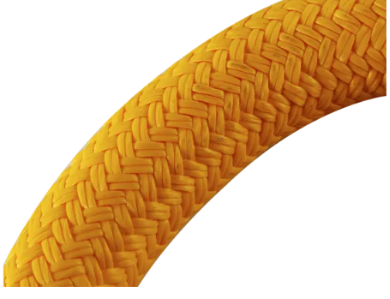
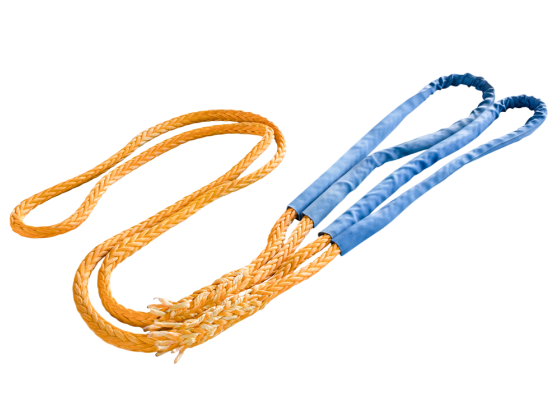
The maritime industry is witnessing a fundamental shift as vessel operators and terminal engineers move away from traditional steel wire and natural fiber lines. The Marine Synthetic Rope has emerged as the definitive solution for modern mooring, towing, and offshore applications, offering an unparalleled combination of strength, lightweight handling, and corrosion resistance.
The maritime industry is witnessing a fundamental shift as vessel operators and terminal engineers move away from traditional steel wire and natural fiber lines. The Marine Synthetic Rope has emerged as the definitive solution for modern mooring, towing, and offshore applications, offering an unparalleled combination of strength, lightweight handling, and corrosion resistance.

Unlike steel wire, which is prone to rust, fatigue, and internal wear, a high-quality Marine Synthetic Rope manufactured from advanced fibers such as polyester, nylon, HMPE, or polypropylene delivers predictable performance under dynamic loads. These marine synthetic ropes feature varied buoyancy performance: HMPE ropes are floatable, while polyester and nylon ropes are sinkable. They ease deck crew fatigue during deployment and avoid sparking issues and corrosion-induced failures. More importantly, they deliver predictable controlled failure behavior, greatly minimizing snap-back injury risks, which are major safety hazards in berthing and towing work.
Applications: Port Terminals Drive Adoption
The most extensive and demanding application for Marine Synthetic Rope is in port terminal operations. Tankers, bulk carriers, container vessels, and Ro-Ro ships calling at major hubs—including Rotterdam, Shanghai, Singapore, and Houston—increasingly specify synthetic mooring lines as standard equipment. Terminal operators report that marine synthetic ropes reduce unplanned downtime, simplify inspection procedures, and provide superior energy absorption during peak shock loads. Beyond terminals, these ropes are also widely used in offshore wind farms, dredging projects, ship-to-ship transfers, and inland waterway towing, where reliability is non-negotiable.
Export Markets Accelerate Global Growth
Global export markets are fueling sustained demand for Marine Synthetic Rope. In Southeast Asia, port authorities and offshore service providers are updating procurement frameworks to prioritize synthetic solutions over traditional wire. European buyers, particularly in the North Sea and Baltic regions, have long favored certified synthetic ropes for their low elongation and compliance with OCIMF MEG4 guidelines. Middle Eastern terminals, operating under extreme heat and UV exposure, increasingly turn to UV-stabilized marine synthetic ropes. Meanwhile, Latin American and African port expansion projects are creating new opportunities for suppliers who can deliver consistent, certified quality at competitive price points.
Certification Enhances Confidence
A premium Marine Synthetic Rope is available with third-party certification from classification societies such as ABS, DNV, or CCS. Certified ropes undergo rigorous batch testing for minimum breaking load, elongation control, splice integrity, and abrasion resistance, providing operators with full material traceability and documented safety assurance.
Yasheng Rope stands at the forefront of marine synthetic rope engineering, specializing in high-performance solutions for port terminals, offshore projects, and industrial applications. Every rope is manufactured under strict quality management systems to ensure consistent performance in the most challenging marine environments.
For customized specifications, technical consultation, or bulk procurement inquiries, welcome to contact Yasheng Rope. Our engineering team is ready to provide professional support tailored to your operational requirements.
Tel: +86-0532-86934438
Email: Frida@ys-rope.com
Recent information



DO YOU HAVE QUESTIONS?
Get In Touch With Us!
CONTACT US
Factory add :
55 #, Youdian Road, Qingfeng Industrial Park, Jianhu, Yancheng City, Jiangsu Province,China.
Office add :
No.198 JingGangShan Road, JinDing Tower,
16F 6-9, HuangDao, QingDao, ShanDong, China.


