

What Are the Uses and Importance of Oil Tanker Mooring Ropes
Release time:
2026-01-19
Choosing high-quality oil tanker mooring ropes not only improves operational efficiency but also effectively reduces safety hazards caused by mooring rope damage
Oil tanker mooring ropes are a crucial piece of equipment in oil tanker navigation. Their main function is to ensure a secure connection between the hull and port facilities during berthing, anchoring, or departure. Oil tankers are heavy and bulky, and they often transport flammable and explosive dangerous goods. Therefore, mooring ropes not only need extremely high tensile strength but also excellent corrosion resistance, abrasion resistance, and UV resistance.
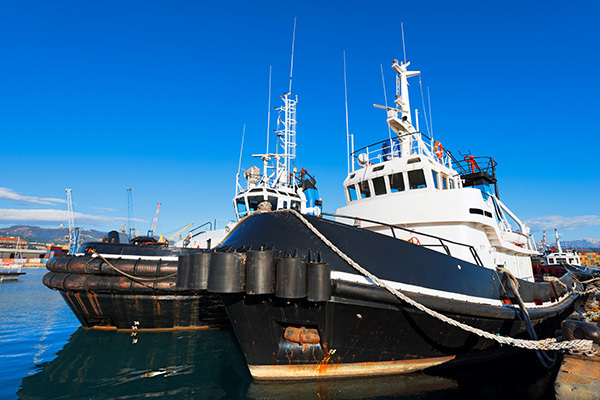
They are subjected to external forces from the marine environment, such as wind, waves, tides, and currents. Prolonged use accelerates wear and aging of the ropes, making the selection of suitable rope materials essential. Typically, oil tanker mooring ropes are made of synthetic fiber materials such as polyester and nylon. These materials not only have high strength but also resist saltwater corrosion, ensuring the ropes maintain stable performance over long-term use.
Furthermore, they need to possess good elasticity and ductility. Due to significant changes in wind, waves, and tides at sea, oil tanker mooring ropes must accommodate large-scale stretching and contraction to prevent sudden breakage or damage. This requires oil tanker mooring ropes to possess a certain degree of elasticity to cushion external impacts while ensuring strength.
The quality of the oil tanker mooring rope directly affects the safe berthing of the tanker. Choosing high-quality oil tanker mooring ropes not only improves operational efficiency but also effectively reduces safety hazards caused by mooring rope damage.
Recent information


DO YOU HAVE QUESTIONS?
Get In Touch With Us!
CONTACT US
Factory add :
55 #, Youdian Road, Qingfeng Industrial Park, Jianhu, Yancheng City, Jiangsu Province,China.
Office add :
No.198 JingGangShan Road, JinDing Tower,
16F 6-9, HuangDao, QingDao, ShanDong, China.


