

Deck Mooring Rope Becomes Essential Safety Component as Export Markets Expand Across High-Traffic Ports
Release time:
2026-06-05
As vessel operators and port terminals intensify their focus on safe, reliable, and cost-effective mooring operations, the Deck Mooring Rope has emerged as a foundational component of modern ship-to-dock and ship-to-ship securing systems.
As vessel operators and port terminals intensify their focus on safe, reliable, and cost-effective mooring operations, the Deck Mooring Rope has emerged as a foundational component of modern ship-to-dock and ship-to-ship securing systems. Whether for container ships, bulk carriers, tankers, or offshore support vessels, the deck mooring rope plays a direct role in berthing stability, crew safety, and operational efficiency.

Applications of deck mooring ropes span a wide range of marine environments, including port terminals, container berths, roll-on/roll-off (RoRo) facilities, ferry slips, and inland waterways. These ropes are used as spring lines, breast lines, and stern lines—each requiring specific elongation characteristics, abrasion resistance, and holding strength. Unlike general-purpose ropes, a purpose-designed deck mooring rope must withstand repeated dynamic loading from tidal changes, wind shifts, and passing vessel wakes while remaining easy to handle and inspect.
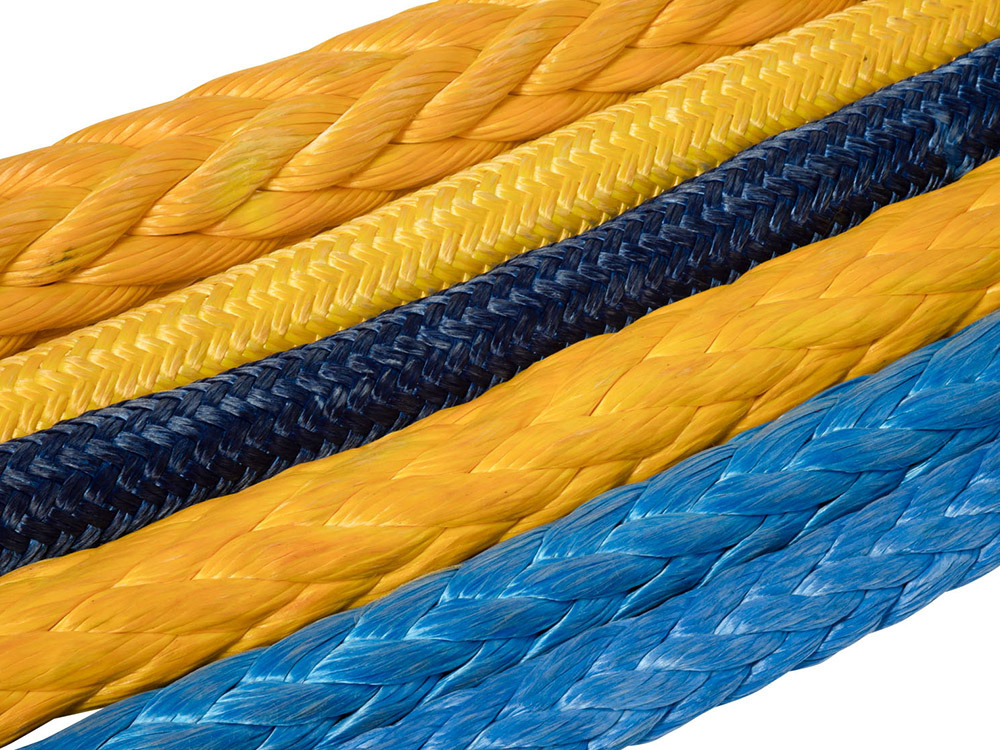
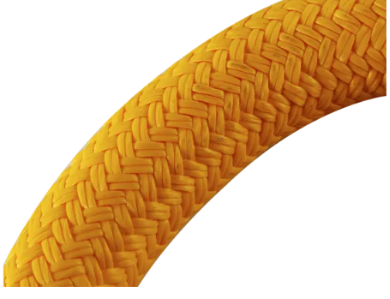
Modern deck mooring ropes are typically manufactured from high-tenacity polyester, nylon, or polypropylene, depending on the application. Polyester offers low stretch and excellent UV resistance, making it ideal for fixed mooring positions where vessel drift must be minimized. Nylon provides superior shock absorption for high-energy berthing scenarios. Polypropylene, being lightweight and floating, is preferred for quick-throw lines and emergency backups. Many port engineers now specify double-braided or 8-strand plaited constructions to improve load distribution and reduce torque during deployment.
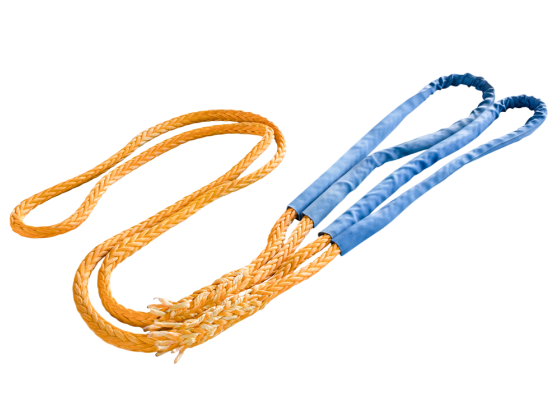
Safety remains the primary driver. A high-quality deck mooring rope reduces the risk of line snap-back—a leading cause of serious injuries during mooring operations. When integrated with proper tail lines and synthetic shackles, certified deck mooring ropes contribute directly to OCIMF MEG4 compliance and improved port state control outcomes.
Export markets for deck mooring ropes are expanding rapidly, particularly in Southeast Asia, the Middle East, Africa, and Latin America. Port authorities in Vietnam, Indonesia, Nigeria, and Brazil have recently increased procurement of synthetic deck mooring lines to replace aging steel and natural fiber ropes. Meanwhile, European and North American buyers are prioritizing ropes with third-party certifications such as ABS, DNV, or Lloyd’s Register, demanding full material traceability and batch-specific breaking load verification.
Sustainability is also shaping export demand. Recycled PET (r-PET) and environmentally stabilized polypropylene deck mooring ropes are gaining traction among eco-conscious port operators, reducing plastic waste while maintaining tensile strength and UV resistance. Manufacturers that combine performance with verifiable environmental credentials are finding competitive advantages in regulated markets.
For fleet technical managers, marine superintendents, and terminal procurement officers seeking a reliable Deck Mooring Rope that balances strength, handling ease, and international compliance, Yasheng Rope delivers engineered solutions designed for harsh marine environments. Every deck mooring rope is manufactured with precision to ensure consistent performance under repeated berthing cycles.
For customized specifications (diameter, length, construction, or certification requirements), technical consultation, or bulk procurement inquiries, welcome to contact Yasheng Rope. Our engineering team is ready to provide professional support tailored to your operational needs.
Tel: +86-0532-86934438
Email: Frida@ys-rope.com
Recent information



DO YOU HAVE QUESTIONS?
Get In Touch With Us!
CONTACT US
Factory add :
55 #, Youdian Road, Qingfeng Industrial Park, Jianhu, Yancheng City, Jiangsu Province,China.
Office add :
No.198 JingGangShan Road, JinDing Tower,
16F 6-9, HuangDao, QingDao, ShanDong, China.


